.png)
DIY Light Install Tips
Updated: Feb 25

Thinking about upgrading your lightbulbs? Here are some helpful DIY tips - POWER OFF!
Light Emitting Diodes (LEDs) are popular among modern homes. Upgrading to LED lighting is one of the easiest and most energy-efficient ways to improve your home or workspace. Not only do LED lights use significantly less energy than traditional incandescent bulbs, but they also last much longer. However, like any electrical project, safety is key when installing LED lights.
There are so many bulbs to choose from and needed for different fixtures. The most frustrating part is selecting the correct one.
So How Do You Know Which LEDs You Need?
Size matters.
One method is to go by shape and wattage. The best method is to simply bring the old bulb with you to the store and ask an associate or compare bulbs yourself. A lovely older gentleman at a Home Improvement store went the extra mile and why I needed a specific wattage based on the age and wiring in my home.
Flushed lights are the hardest of all to install in my opinion and definitely a two-man job unless you're really skilled. If you already have a ceiling light just measure the current to ensure the new replacement.
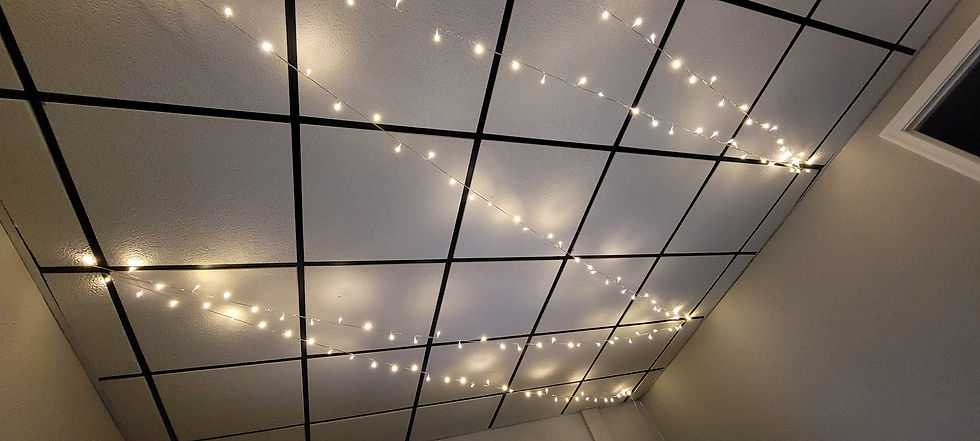
If you're trying to light a large a dim/ dark area with no current option for overhead lighting Fairy Lights and LED Strips are are great substitutes.
LED strips are easy to install. Always measure your space and plan out your design before buying. Simply peel and stick them around the room however you see fit. They add great ambience with a variety of colors to set the mood.
Fairy light are great for hanging but do require some sort of hook system. When lamps just weren't cutting it for my den I hung string lights along the ceiling and it was an instant improvement!
The warm tone lights gave an outdoorsy tiki bar at night feel. I've received of compliments from guests on the lighting alone.
If you need a dimmable bulb make sure your product specifies just that in the description. - Lesson learned the hard way.
Color Tones, Temperature, and How They Effect Your Space.
There are cool, warm, low, high and every color under the rainbow to choose from.
Daylight or LED cool bulbs are always best for productivity.
Warm tone bulbs add a gentle, warm and cozy feeling.
My partner prefers Red LEDs when gaming.
Certain LEDs behind screens are said to lessen eye strain. Test out this theory with a RGBIC strip.
Why Choose LEDs?
LED lights are popular for their:
Energy efficiency (up to 80% less power usage)
Long lifespan (typically 15,000–50,000 hours)
Low heat emission
Variety of color temperatures and brightness levels
Installation Tips for Safety
Turn Off the Power.
Always switch off power at the circuit breaker before starting any electrical work. Absolutely never assume flipping the wall switch is enough. Double check this part with a voltage tester. Trust me you do not want to get zapped.
Read the Instructions. Different LED fixtures and bulbs may have specific requirements, especially dimmable or color-changing types.
Check Compatibility. Make sure your existing dimmer switches or transformers (in low-voltage setups) are compatible with LED technology.
If its not an easy screw in the best thing to remember is : HOT wires=Black to Black , Neutral wires =white to white, and Ground Wires = Green or Bronze bar.
Need a Two prong base filled? Try these here.
Always checkout Base charts

Use Proper Fixtures. Only use LED bulbs in approved fixtures. Improper usage can lead to overheating or reduced lifespan.
For outdoor projects, think waterproof
Watch for Wattage. Even though LEDs consume less power, they still have a wattage rating. Ensure your fixture can handle the LED’s equivalent wattage.
Avoid Overloading Circuits. Too many lights on one circuit can cause overloads. Spread your load across multiple circuits if needed.
Hire a Professional for Complex Installs. For recessed lighting, outdoor installations, or wiring new fixtures, it’s best to call a licensed electrician.
Basic Tools To Keep on Hand
Tape Measure
Electrical Tape
Screwdrivers
Voltage Tester
Ladder
Extra wire caps- they're usually provided but if you're clumsy like me you'll greatful you have extra. Double check the sizes and types before purchase
For LED strips you'll need a box cutter or a pair scissors for cutting the strip to the desired length. - Be careful with this step
LED strip connectors if you need to cut the strips or back up for any accidental rips
LED lighting is a smart investment in the long and short run, but safety should never be overlooked. Whether you’re installing a single bulb or a full lighting system, take your time and follow safety precautions.
There are many creative possibilities to LED lights;
A brighter home is great, but a safe home is better.
Power Back On!


Comments